
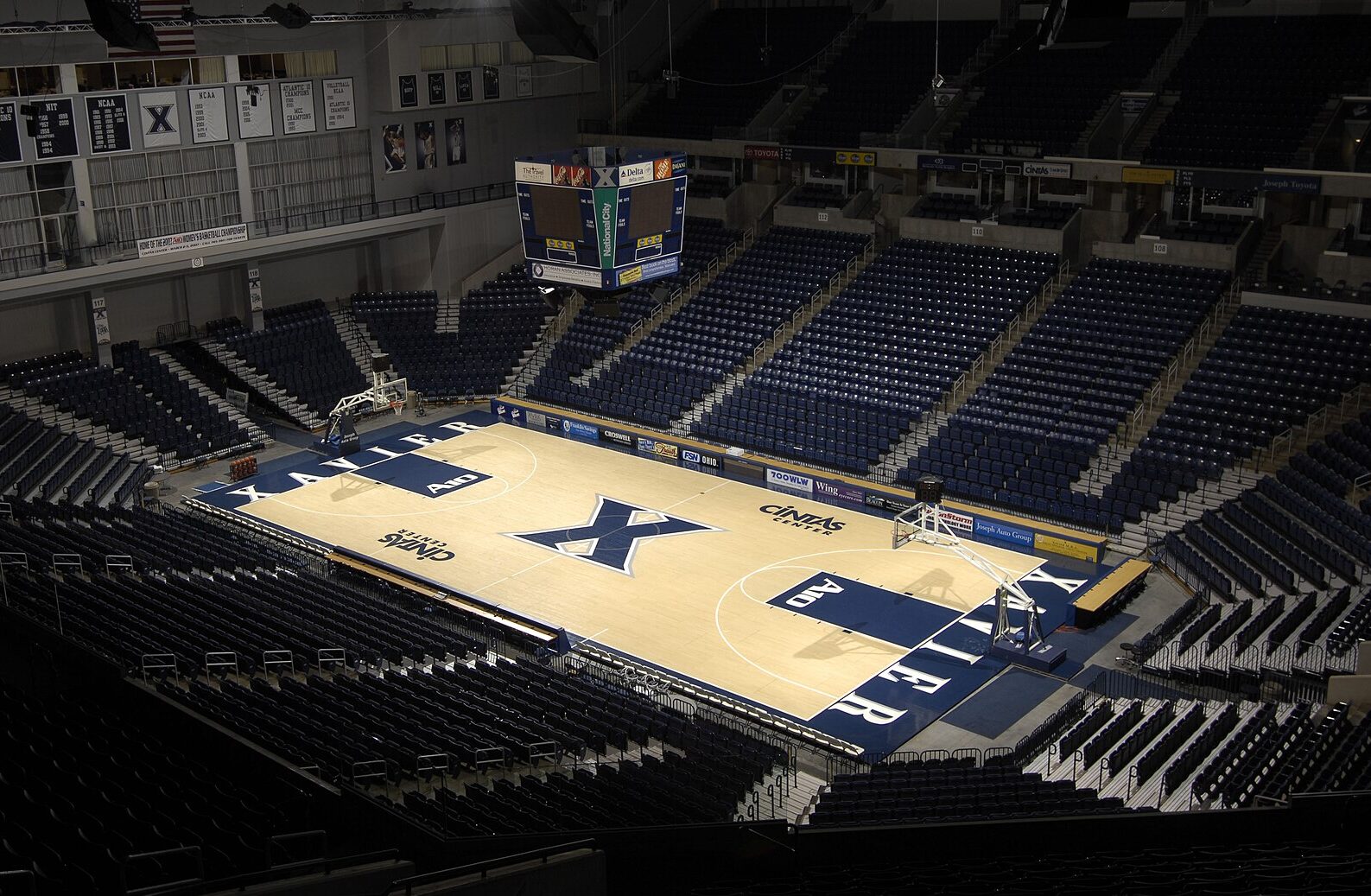

There is an old adage in the world of high-stakes production: if the audience doesn’t notice the work, you’ve done it perfectly. Nowhere is this more evident than during the three-week whirlwind known as March Madness. While the world is captivated by the drama of the bracket—the buzzer-beaters, the Cinderella stories, and the heartbreak of a missed free throw—a parallel performance of equal intensity is occurring behind the scenes.
The 2026 NCAA Division I Men’s Basketball Tournament is a masterpiece of moving parts. As the field narrows from 68 teams to the Final Four in Indianapolis, the logistical pressure doesn’t just increase—it evolves. The transition from the high-velocity, multi-game chaos of the opening rounds to the clinical, singular focus of the Regionals is a masterclass in what we call Operational Agility.
A Legacy of Chaos and Clarity
The history of March Madness is a history of moments that defied the odds. We remember 1983, not just for North Carolina State’s upset over Houston, but for the iconic image of Jim Valvano sprinting across the court looking for someone to hug. We remember 1992 for Christian Laettner’s “The Shot,” and 2018 for UMBC becoming the first 16-seed to topple a 1-seed.
But for those of us in the industry, we remember these moments for the cameras that were in the right place to catch them, the microphones that captured the roar of the crowd, and the floors that stayed dry under the heat of a thousand-watt broadcast. In 2026, as we watch teams like Michigan and Duke navigate the chasm of high-stakes play, we are seeing the culmination of decades of technical evolution.
The Regional Pivot: Engineering the Elite Eight
The move into the Regional rounds—this year held at the Toyota Center in Houston, the SAP Center in San Jose, the United Center in Chicago, and Capital One Arena in D.C.—represents the most difficult pivot in the tournament. In the first and second rounds, the objective is volume and throughput. You are moving eight teams in and out of a single building over 48 hours. It is a factory of basketball.
However, when the Sweet 16 transitions into the Elite Eight, the objective shifts to Broadcast Authority. The venue must be “venue-proofed” for a global audience. This requires a complete reconfiguration of the physical environment:
- Lighting for the Sensor: In a Regional Final, the lighting isn’t just for the fans; it is for the digital sensor of the 4K broadcast cameras. The color temperature must be locked at a perfect 5600K, and the “Key Light” must be intensified to ensure that every tactical huddle and every expression of the coach is rendered with cinematic clarity.
- The Acoustic Map: Managing the roar of a student section is a science. As the stakes rise, audio engineers deploy directional microphone arrays to ensure the “pulse” of the room—the squeak of the sneakers, the thud of the ball, and the collective intake of breath from 20,000 fans—is delivered with absolute intelligibility to the viewer at home.
- The Media Scrum: The Elite Eight produces a media surge like no other. Production teams must manage a relentless rotation of “Flash Quotes,” locker room access, and post-game press conferences. This requires a sterile, secure perimeter and a “Show Book” that accounts for every second of movement from the court to the interview room.
A Shout-Out to the Human Engine
As the 2026 tournament heats up on the road to Lucas Oil Stadium in Indianapolis, we want to acknowledge the thousands of professionals who make this look easy. To the riggers who hang the multi-ton scoreboards, the cable-runners who ensure the fiber-optic safety net never drops, and the stage managers who coordinate the “One Shining Moment” transitions—your work is the foundation of the dream.
The NCAA has created more than a tournament; they have created a global standard for how to move people, technology, and emotions at scale. The 2026 field has been dominant, with top seeds showing unprecedented strength, yet the “Cinderella” spirit remains because the infrastructure allows it to happen. Whether it was the high-energy matchups at the Xfinity Mobile Arena in Philadelphia or the upcoming championship drama in Indiana, the execution has been clinical.
Conclusion: Winning the Room
The “Road to Indianapolis” is paved with operational excellence. At ESI, we don’t just watch the game; we watch the build. We watch the strike. We watch the pivot. To the teams putting on these events: your pursuit of perfection is the most inspiring performance in the world of live events.
As the Final Four approaches on April 4th and 6th, we know that the stage in Indianapolis will be a “Zero-Failure” environment. It will be the ultimate culmination of months of planning, thousands of man-hours, and an unyielding commitment to the legacy of the game. Good luck to the athletes, but a sincere thank you to the crews. You have already won the room.