
How event teams synchronize arrival windows, secure movements, stage timing, media holds, and audience management for VIPs and government principals.
When working with high-profile principals, conventional schedules rarely exist. Arrival times shift, security requirements evolve, and conditions on the ground can change in an instant. Behind every seamless VIP arrival is a production team coordinating security, logistics, stage timing, media operations, and attendee movement simultaneously.
Successfully integrating principal movements into an event requires far more than keeping people safe. It requires ensuring those movements never interrupt the experience for the client, guests, or viewing audience. Through proactive planning, constant communication, and carefully integrating arrivals and departures into the run of show, production teams can maintain both security and the natural rhythm of an event.
At ESI, we’ve learned that the best principal movements are the ones guests never notice. When the security landscape changes, experienced teams adapt without disrupting the program. While arrival windows and security protocols may shift throughout the day, thoughtful pre-planning and built-in contingencies allow the event to continue seamlessly.
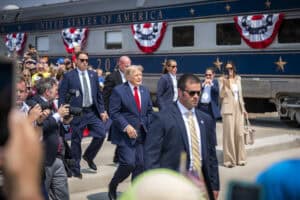
Everything Is Subject to Change
The first rule of coordinating VIP and government principal movements is simple: expect the plan to change.
Principals’ schedules shift. Threat environments evolve. Advance teams select alternate routes. Weather, traffic, road closures, or security concerns can all impact arrival timing. Rather than treating these as exceptions, experienced production teams plan for them from the beginning.
That preparation starts with building flexibility into the production schedule. Extra minutes should be incorporated into performances or speaking engagements surrounding principal movements, and transition periods should allow enough buffer to absorb unexpected changes. Protection details operate with incredible precision, but every successful movement depends on the production team having room to adapt when circumstances inevitably change.
Synchronization Is Everyone’s Responsibility
Successful synchronization extends well beyond sharing a run of show.
Every department should maintain clear situational awareness throughout the event. While operational security limits who needs access to sensitive information, teams that remain completely unaware of principal movements often create unnecessary bottlenecks.
Even departments without direct security responsibilities benefit from knowing when significant movements are occurring. Stage managers, venue staff, production crews, and hospitality teams can all adjust their operations to support a smooth experience without needing sensitive operational details.
Before doors open, experienced production teams establish clear communication channels with every partner on site. Whether updates are delivered through radios, text groups, email, or a centralized help desk, everyone should understand how changes are communicated. Not every team member needs every detail—but everyone should receive the information necessary to do their job without creating confusion.
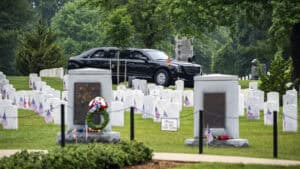
Make Movements Invisible
The most successful principal movements become part of the show itself.
Rather than treating arrivals and departures as interruptions, experienced production teams incorporate them into the event’s natural flow. Clear chains of command and well-defined communication pathways allow information to move quickly back to a centralized command center while departments execute their responsibilities without hesitation.
Whether supporting a Fortune 100 corporate event or a large-scale public affairs program, principal movements inevitably affect attendee traffic and venue operations. The goal is to minimize that impact.
Whenever possible, movements should utilize back-of-house routes that have been thoroughly rehearsed and evaluated in advance. Crowd circulation should continue uninterrupted, media sightlines should remain clean, and escorted movements should stay largely out of public view. When executed properly, guests experience a continuous program while security teams operate efficiently behind the scenes.
Principal movements also influence media coverage. Long pauses, unexpected holds, or visible confusion can interrupt both the in-person experience and the broadcast product. By anticipating these moments during production planning, teams can eliminate unnecessary programming delays and deliver a polished experience for audiences both on site and watching remotely.
The Importance of the Command Center
Every complex event needs a single operational hub.
The command center serves as the central nervous system for event operations, bringing together representatives from production, security, medical services, law enforcement, and other key partners. It is where information is collected, evaluated, and acted upon in real time.
When schedules shift, weather changes, or a new security concern emerges, information flows immediately to the command center. From there, agencies and event leadership coordinate responses, adjust resources, and communicate decisions throughout the venue.
As events grow in scale—and the number of principals and stakeholders increases—that centralized coordination becomes even more important.
Simplicity for the Principal
Although much of the work occurs behind the scenes, a principal’s arrival is a defining part of their overall event experience.
Elite production teams understand that every space a principal encounters should feel secure, organized, and presentation-ready. From the moment they arrive until they depart, there should be no uncertainty about where to go, who they are meeting, or what comes next.
Maintaining close communication with advance teams and protection details allows production teams to coordinate walkthroughs, adjust plans as conditions change, and ensure every movement aligns with the broader event operation.
For the principal, the experience should feel effortless.

Building Trust with Protection Details
When supporting high-level government officials or business leaders, trust becomes one of the most valuable assets a production company can earn.
Protection details and advance teams must have confidence in the venue layout, operational planning, and production staff. While general awareness is important across the event team, sensitive movement information should remain limited to those who genuinely need it.
Comprehensive threat assessments help identify potential risks before the event begins, allowing partners to establish clear priorities and mitigation strategies.
Secure corridors should include alternate routes, and designated safe havens should be identified in advance should conditions require a principal to shelter in place. While protection teams remain responsible for the safety of their protectees, production companies that proactively incorporate these considerations build stronger partnerships, greater confidence, and lasting client relationships.
Principal Movements in Practice
During a recent large-scale event, ESI supported operations at a nationally recognized venue that required extensive interagency coordination and a highly complex load-in. Equally significant was the number of government officials and VIPs scheduled to attend throughout the program.
Working alongside federal and local law enforcement, advance teams, and our own production staff, we integrated every principal movement into the event’s overall show flow. Rather than allowing arrivals and departures to interrupt programming, each movement was carefully planned and coordinated well before event day.
Months in advance, our team developed venue plans that incorporated secure corridors, designated safe havens, coordinated vehicle circulation, and protected pedestrian routes. The result was a seamless experience for attendees, principals, security partners, and the client alike.
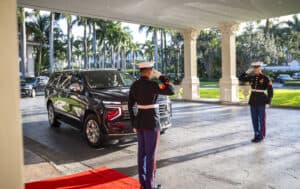
Marshaling the Motorcade
The way an event team manages principal movements directly influences the pace, professionalism, and overall success of an event.
Thoughtful route planning, flexible scheduling, and proactive coordination eliminate bottlenecks before they develop. Effective venue layouts balance the needs of protection details with those of attendees, media, and production staff, ensuring every movement supports—not disrupts—the event.
When principal movements are planned well, they become virtually invisible. That level of execution not only protects guests and keeps programs on schedule, but also builds confidence with clients, security partners, and stakeholders—relationships that continue long after the final motorcade departs.