
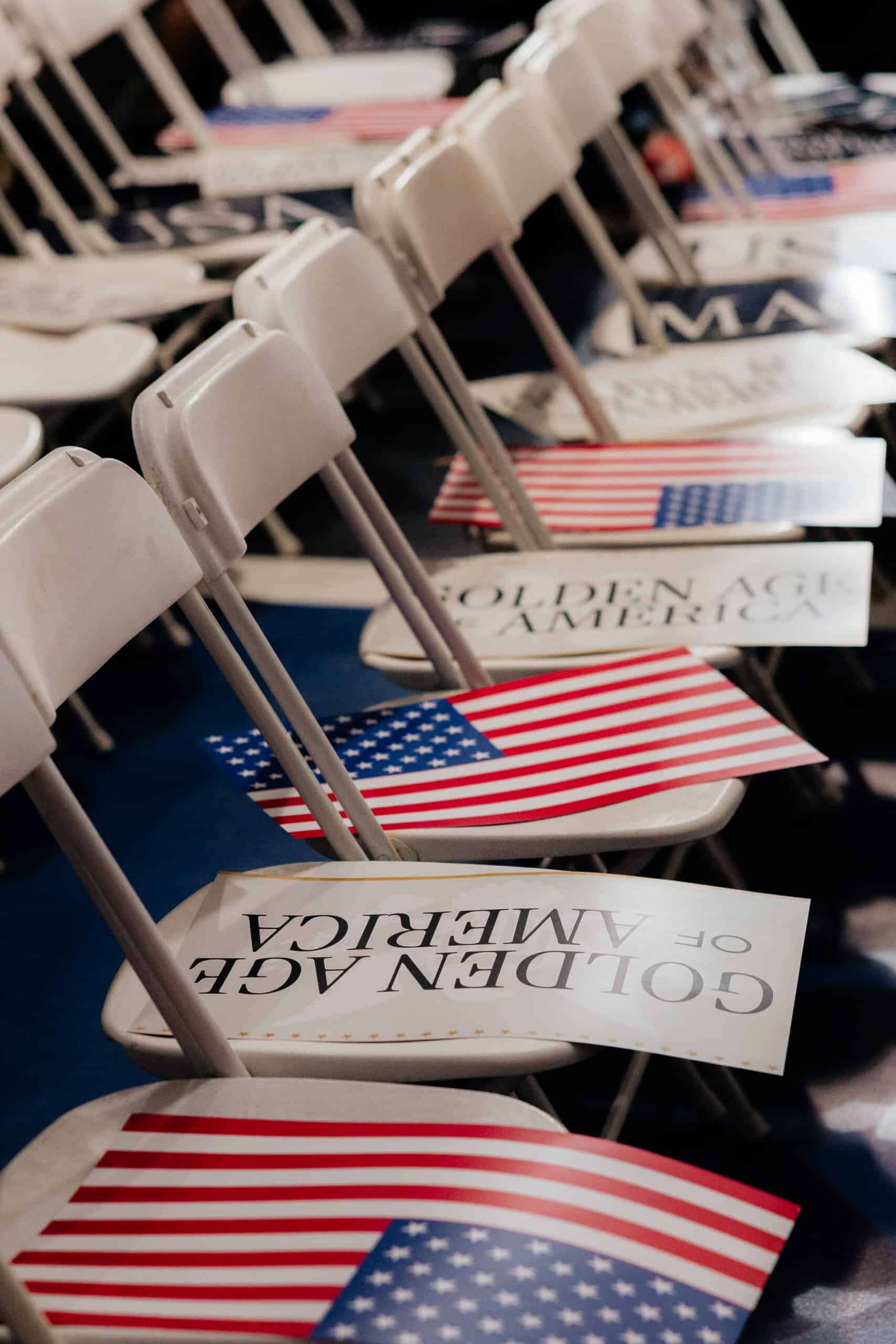

When people think about event production, they often notice the stage, lighting, or audiovisual elements first. What they rarely consider is one of the most important decisions made long before guests arrive: the seating layout.
At ESI, we know that room design is never just about fitting people into a space. Every seating configuration is a strategic decision that influences how attendees engage with content, interact with one another, and ultimately experience an event. The right layout can energize a room, encourage collaboration, reinforce a speaker’s message, or create meaningful networking opportunities. The wrong one can work against even the strongest program.
That’s why seating isn’t simply an operational detail—it’s part of the event strategy.
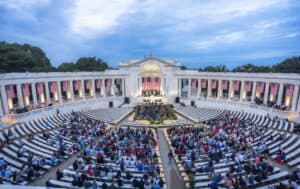
Theater Layout: Maximizing Focus
Theater-style seating places rows of chairs facing a single stage or presentation area, creating one clear focal point for attendees. It is one of the most effective layouts for delivering information to large audiences while maximizing room capacity.
Because everyone is oriented toward the stage, theater seating naturally encourages attention and reinforces the authority of the presenter. It works particularly well for keynote addresses, major announcements, product launches, and large general sessions where delivering a unified message is the primary objective.
The tradeoff is interaction. With attendees seated closely together and facing forward, opportunities for networking or discussion are intentionally limited. That’s often exactly what’s needed when the goal is to keep the audience focused on the presentation.

Classroom Layout: Learning with Structure
For educational sessions, workshops, and training programs, classroom seating provides a balance between presentation and participation.
Rows of tables facing the front of the room give attendees space for laptops, note-taking, and materials while maintaining a clear focus on the speaker. The layout supports learning without completely sacrificing opportunities for conversation during breaks or group exercises.
While tables create a practical workspace, they also introduce more physical separation between attendees, making spontaneous interaction less natural. When knowledge transfer is the priority, however, classroom seating remains one of the most effective solutions.

Rounds: Encouraging Collaboration
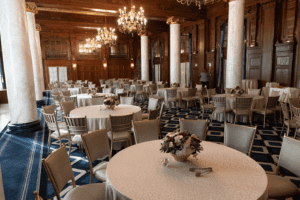
Round tables fundamentally change how people engage during an event.
Instead of focusing solely on the stage, attendees are seated face-to-face, encouraging conversation, idea sharing, and relationship building. This layout is ideal for conferences, galas, awards programs, and sessions that include facilitated discussions or collaborative exercises.
Because participants naturally interact with those at their table, presenters must intentionally guide attention back to the stage throughout the program. When executed well, rounds create an environment where attendees don’t just absorb information—they actively participate in it.
Cocktail Layout: Creating Energy
Few seating arrangements generate as much movement and spontaneous interaction as a cocktail reception.
With high-top tables and minimal fixed seating, guests are encouraged to circulate, network, and engage with different groups throughout the event. The result is an energetic atmosphere that feels dynamic and social.
Cocktail layouts are especially effective for receptions, networking events, and celebrations where relationship-building is the primary objective. For longer programs requiring sustained attention, however, the limited seating can become a challenge. Matching the layout to the event’s duration and purpose is essential.
Lounge Layout: Designing Experiences
Some events call for something more intimate than rows of chairs or banquet tables.
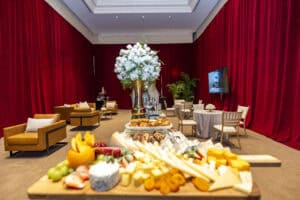
Lounge-style seating uses sofas, armchairs, and low tables to create comfortable environments that encourage longer conversations and more meaningful connections. The atmosphere immediately shifts from formal to conversational, making guests feel relaxed and engaged.
This layout is particularly effective for VIP spaces, executive networking, hospitality lounges, and experiential activations where the environment itself becomes part of the experience. Rather than simply accommodating attendees, lounge seating helps shape how they feel throughout the event.
Choosing the Right Layout
No seating layout is universally better than another. The most successful events begin by identifying the desired outcome and designing the room to support it.
If the goal is delivering information with clarity and impact, theater or classroom seating may be the best fit. If collaboration and discussion are priorities, rounds create opportunities for meaningful interaction. For networking-focused events, cocktail layouts encourage movement and conversation, while lounge environments offer a more immersive and relationship-driven experience.
Audience size, program length, venue constraints, and attendee demographics all play an important role in determining the right approach. Every decision should support the overall objectives of the event—not simply maximize capacity or fill the room.

Designing with Purpose
The most successful events don’t happen by accident. They’re built through intentional decisions that shape the attendee experience from the moment guests walk through the door.
At ESI, we believe seating is far more than a logistical consideration. It’s a strategic tool that influences attention, participation, collaboration, and the overall energy of an event. Long before the first speaker takes the stage, the room itself has already begun telling the story.
That’s the difference thoughtful event strategy can make.